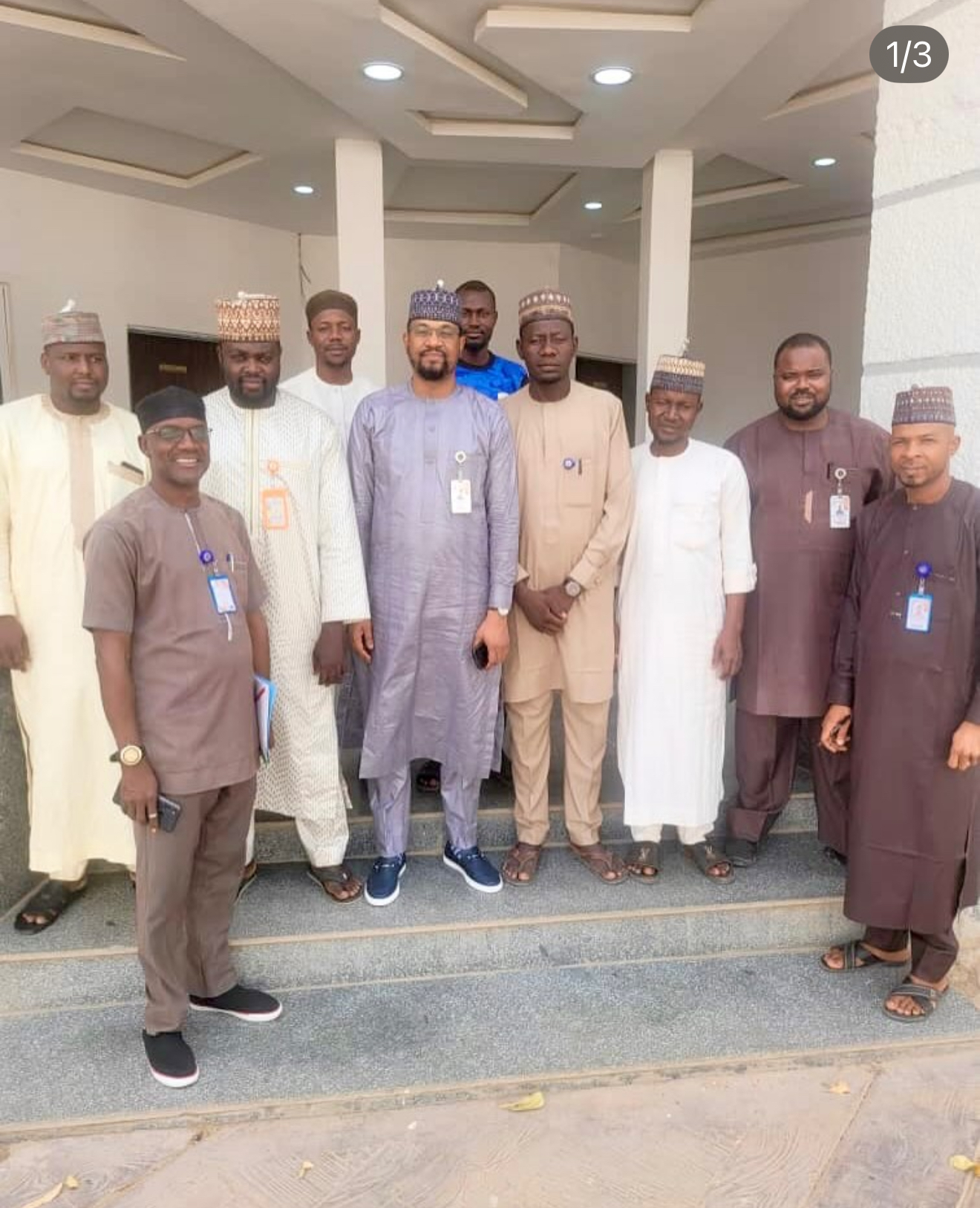
The “Zamfara Ministry of Implementation Unit” likely refers to the operational arm of the Ministry of Budget and Planning in Zamfara State, Nigeria. This unit is responsible for overseeing the execution and monitoring of various development plans and projects aligned with the state’s overall development framework. It ensures that budgetary provisions are implemented transparently and equitably, working collaboratively with other Ministries, Departments, and Agencies (MDAs).
MANDATE & FUNCTIONS
Core Mandate of the Ministry: To monitor the local government, state and federal government project across the state.
Primary Responsibilities/Functions: One of its responsibilities of the Project Implementation is to supervise all government project that are executed within time, specification and quality standard.
Function:
1. Ensure project compliance
2. To ensure that project is completed within time
3. To monitor the activities of contractors
4. Monitoring and controlling activities of contractors in executing of the project
5. Ensuring quality standard in monitoring of on-going projects
6. Track and supervise project progress
7. Enforce quality control and compliance
8. Promote transference and civic engagement
9. Report and evaluate performance
10. Coordinate over site committees
Key Functions and Responsibilities:
• Project Implementation
The unit is directly involved in the on-the-ground execution of projects outlined in the state’s development plans and budget.
• Monitoring and Evaluation
It tracks the progress of projects, ensuring they are implemented according to established timelines, budgets, and quality standards.
• Coordination
The unit facilitates communication and collaboration between different MDAs involved in project implementation.
• Data Collection and Analysis
It may be involved in gathering data on project outcomes, analyzing the data, and reporting findings to relevant authorities.
• Stakeholder Engagement
The unit interacts with various stakeholders, including community members, civil society organizations, and other relevant groups, to ensure transparency and participation in project implementation.
• Ensuring Transparency and Accountability
The unit is tasked with ensuring that funds are disbursed transparently and that projects are implemented with fiscal discipline and budgetary provisions.
Examples of Activities:
• Review of Development Plans
The unit may participate in technical meetings to review and refine the state’s 10-year development plan.
• Land Acquisition and Community Engagement
It may be involved in ensuring transparency in land acquisition processes and engaging with communities affected by projects.
• Monitoring Budget Releases
The unit monitors the release of funds for capital projects and evaluates budget performance.
• Identifying Public Private Partnerships
It may identify opportunities for Public Private Partnerships (PPPs) in various sectors.
• Reporting to Government
The unit is responsible for reporting on the progress and challenges of project implementation to the state government.
Relationship with the Ministry of Budget and Planning:
The Ministry of Budget and Planning is the overarching body responsible for formulating the state’s development plans and budget. The Implementation Unit is the operational arm that ensures these plans are translated into action.